My work neighbour ordered a chicken meal the other day.
When the food arrived, I noticed a small section printed on the package.
“Try Next”
Under it were pictures and names of two other chicken dishes.
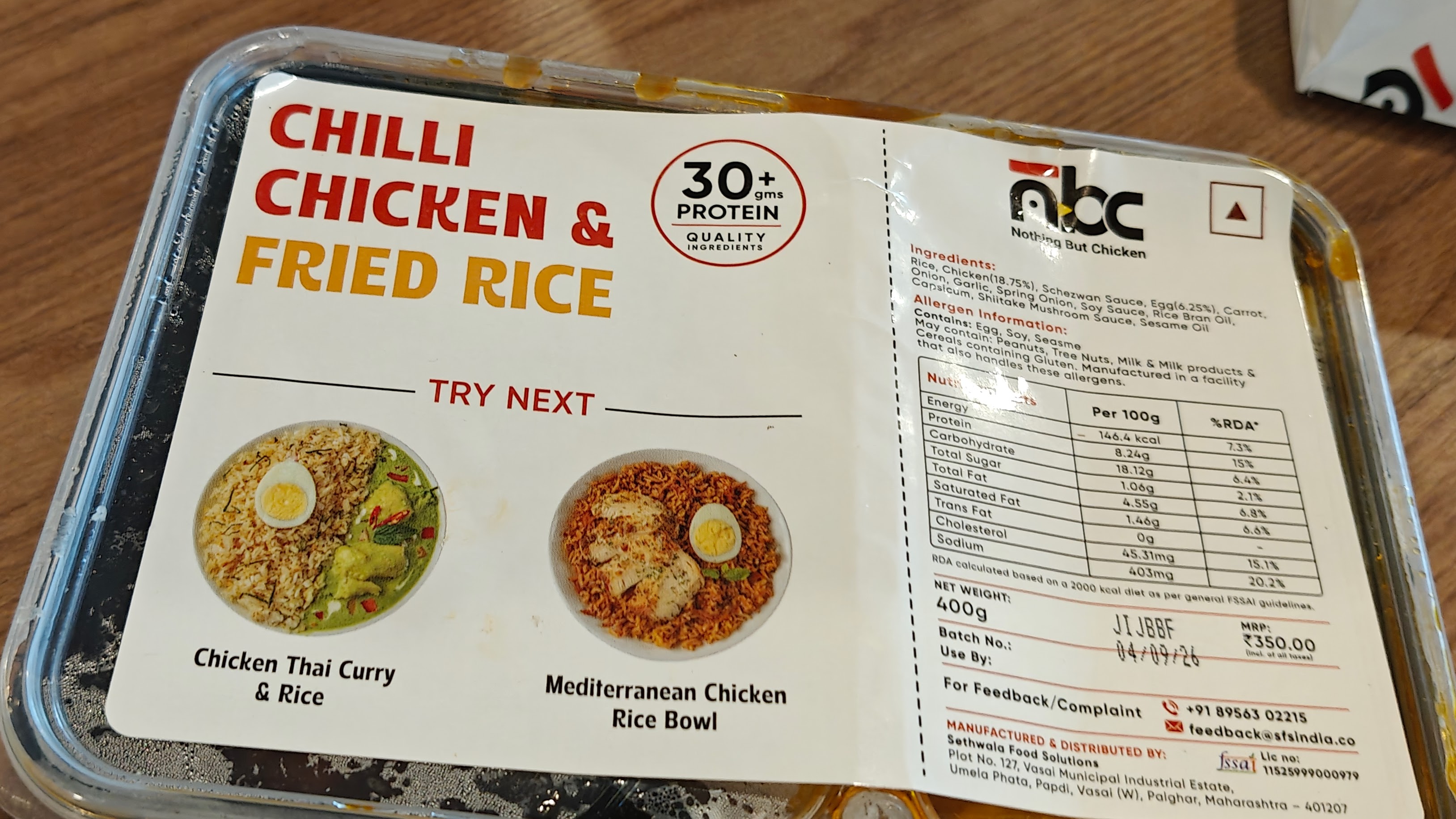
That’s it.
No QR code. No discount. No “Order now”. No elaborate loyalty programme.
Just two little suggestions for the next time.
And I thought: this is a brilliant piece of product thinking.
We see this kind of thing all the time in digital products. After you order something, you get recommendations for what else you might like. Streaming apps suggest the next show. E-commerce sites suggest related products. Food delivery apps suggest other restaurants or dishes.
But the physical version has an interesting advantage.
It doesn’t ask you to do anything right now.
That’s important.
When a digital product recommends something while I am using it, there is usually an expectation of immediate action. The recommendation is part of the current transaction.
The “Try Next” card is different.
I’ve already ordered. I’ve already eaten. The transaction is done.
All the brand has to do is put an idea in my head.
And that solves several problems at once.
First, it showcases the range. I may have thought of this place as “the place that does that one good chicken meal”. Now I know there are at least two other things worth trying.
Second, it reduces decision fatigue.
The next time I’m hungry, I don’t have to start from zero. They’ve already given me a couple of options to consider.
And there’s an even more interesting bit.
When we order food at work, we often ask ourselves: Where should we order from today?
But if I enjoyed this meal, the restaurant has an opportunity to change the question.
Instead of “Which place should we order from?”
it becomes:
“Which dish should we try next?”
That’s a much easier decision.
They’ve already won the harder parts. I know the food is good. I know the delivery works. I know roughly what to expect.
Now they just need to give me some variety.
That’s potentially good for lifetime value too. Instead of having to reacquire me every time I want to order something, they can deepen the relationship with the customer they already have.
But my favourite part is that it doesn’t feel like marketing.
It felt like a nice little detail on a food package.
I noticed it, smiled, and moved on.
And that’s perhaps the most interesting lesson for digital products.
Sometimes the best recommendation is the one that doesn’t ask for a click.
Plant the seed.
Let the customer come back to it when they’re ready.